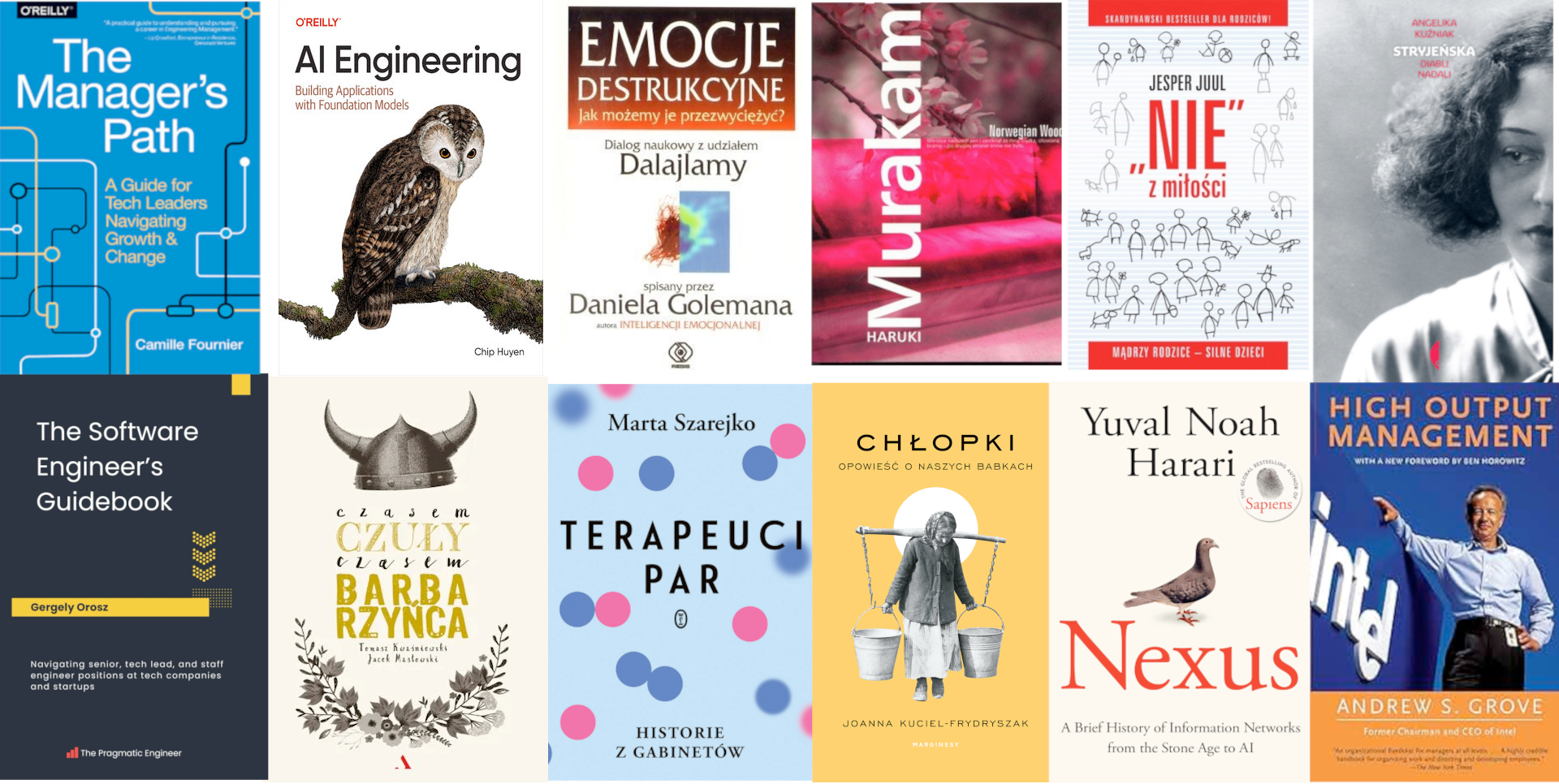
It’s the end of the year. While browsing LinkedIn, I noticed plenty of posts summarizing “books read in 2025,” so I decided to create my own.
This year marked a rebirth of my reading habit. It started with a funny coincidence: on the same day, I received a newsletter from a former colleague about choosing reading over other activities; and a friend shared Ryan Holiday’s video “How to Read Better.” Something clicked. Reading started giving me real satisfaction again. It again become part of being me.

It’s amusing that I felt like I read “a lot” this year—12 books—until I saw posts listing “my favorite 50 books of 2025.” But honestly, I don’t care much about quantity. The current pace brings me joy and skills, and that’s what matters. Writing this article also gave me a chance to reflect on what I learned and what I want to remember from each book.
This year also marked a new chapter in my career. Since February, I’ve been working as a Lead Engineer. Beyond building software, the role requires keeping my team motivated, productive, and aligned. That transition even inspired a mini-series I called LED – Lead Engineer’s Diary. Unsurprisingly, many of my reading choices reflected these changes.
Below is my full list of books read (or listened to as audiobooks) in 2025, along with some thoughts, grouped into categories.
Business, management, leadership, productivity
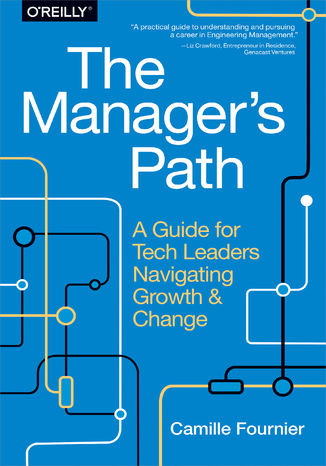
The Manager’s Path by Camille Fournier – (📚 see my reading notes here) Stepping into a team leadership role, this book helped me navigate many “first times”: running 1:1s, conducting performance reviews, and understanding what management really entails. It also gave me a preview of what might come next on the management path possibly, hopefully.
The metaphor that stayed with me most is that management is like spinning plates. Your job is to keep as many spinning as possible—and to accept that, especially at the beginning, some will inevitably fall. If you’re starting as a leader or manager in the software industry, or want to ground your practice in solid theory, I highly recommend it.
👉 In my current position I balance between management responsibilities while still building software. This book therefore complements very well with the other book I read last year – The Staff Engineer’s Path – 📚 see my reading notes here
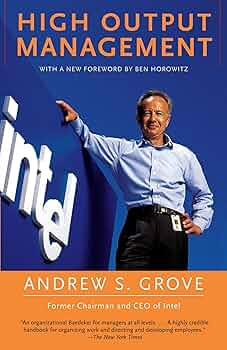
High output management by Andy C. Grove – (📚 see my reading notes here) Initially I was a bit skeptical whether I should read it. This book is 42 years old now. Working in software engineering, I’m a bit used to the fact that some knowledge becomes outdated in 5-10 years. But this was not the case here – it aged remarkably well. First of all, this is not a book about software engineering, even though Intel plays the main role here. Sure, some parts may seem a bit archaic. But the core knowledge stays valid. It gave me perspective on optimizing processes, motivating team members, getting the best out of them (I liked the idea that even if you’re satisfied with the performance, the review is always an opportunity to improve things even further), adding some structure to my understanding of responsibilities of the leader (information gathering, nudging, decision making, being role model). It’s still worth reading.
Software engineering, AI engineering
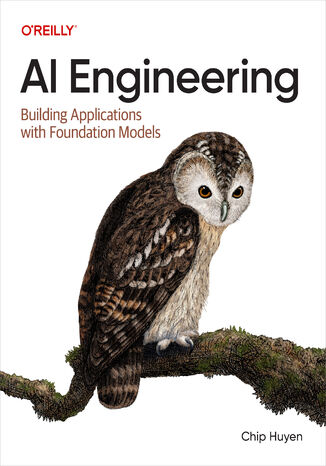
AI engineering by Chip Huyen – (📚 see my reading notes here) It just perfectly aligned with my current challenges at work where we were building an RAG-based AI assistant. We are in the AI era. You can use AI to be more productive, and incorporate the AI into your products. This book helps you with the latter. I knew I needed to get the basics, and this book was a perfect fit. I admit, I didn’t fully grasp everything (especially the fine-tuning chapters), but most of it was extremely valuable. I finally built my mental model about the concepts and understood the difference between machine learning data scientist and AI engineer.
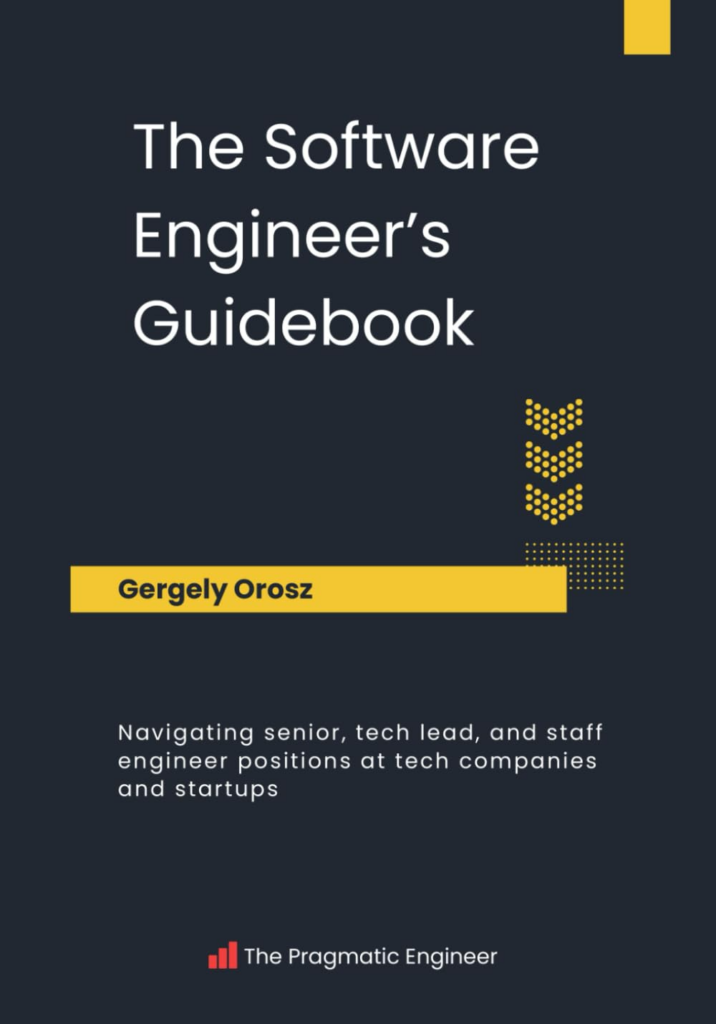
The Software Engineers Guidebook by Gergely Orosz – I’ve been reading The Pragmatic Engineer newsletter for years and have over a decade of experience as a software engineer. Because of that, I didn’t find much that was new here and ended up skipping more than half the book.
That said, one idea really stuck with me:
“Senior engineers are expected to solve problems.
Staff+ engineers are expected to find problems worth solving.”
I would rather recommend it to less experienced engineers.
History, society, biography
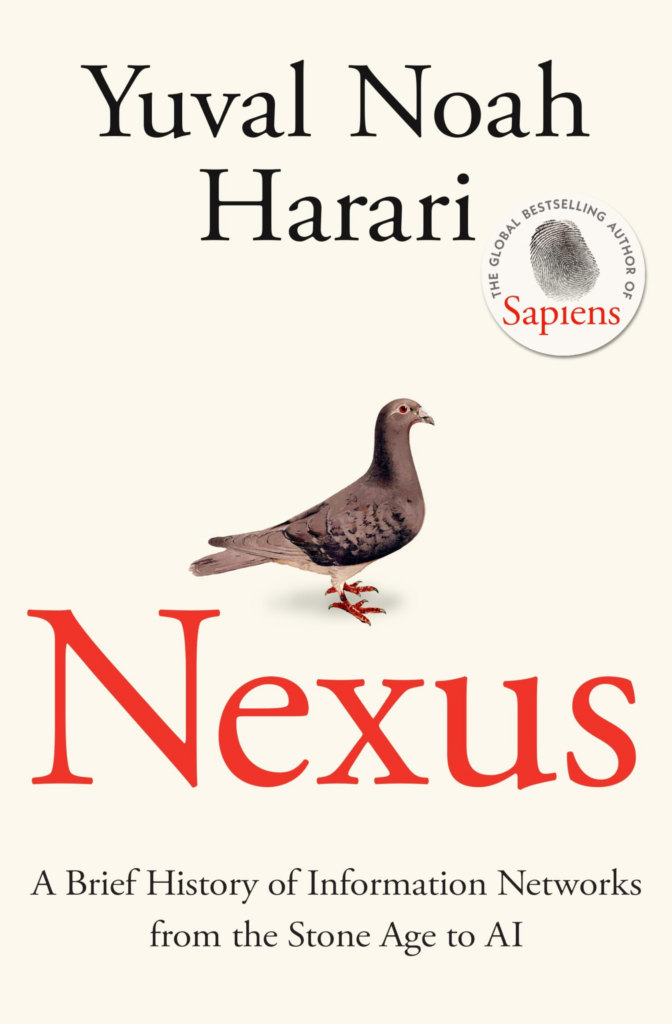
Nexus: A Brief History of Information Networks from the Stone Age to AI by Yuval Noah Harrari – (📚 see my reading notes here) I’ve been always a huge fan o Harrari’s books and this one didn’t disappoint me either. It let me better understand the hard balance between searching for truth and keeping order. It also gives a nice overview of political challenges related to AI.

Stryjeńska. Diabli nadali by Angelika Kuźniak. (not available in English) A biography of a polish painter Zofia Stryjeńska. She was born in Krakow, where I live. I wasn’t familiar with her art before, but now I like it very much. The book also inspired me to explore other polish painters of the 20th century like Józef Chełmoński or Władysław Strzemiński. One of the sentence that stuck with me was her words that “she had sacrificed her children at the altar of art” which reminds me that with big achievements, there is often others unseen who have to pay for it.

Chłopki. Opowieść o naszych babkach by Joanna Kuciel-Frydryszak
(not available in English – title translation: Peasant Women: A Story About Our Grandmothers) A collection of stories about women living in the Polish countryside during the interwar period, portraying poverty, hunger, lack of education, and deep power imbalances. It made me appreciate how much our lives have changed—and how much we take for granted. Beautifully written and clearly the result of extensive research.
Philosophy, religion, spiritual development
Destructive Emotions: A Scientific Dialogue with the Dalai Lama by Daniel Goleman – This was a birthday gift I received over ten years ago and completely forgot about—until rediscovering it this year. I’m glad I did.
The book nudged me back toward meditation and practicing compassion. It helped me through the year, especially as my son entered the “terrible twos.” The book presented contrast between Western and Buddhist perspectives but it also contained some deep analysis of what happens when you become angry. It made me reflect on the egocentrism.
Parenting, relationships

Czasem czuły czasem barbarzyńca by Tomasz Kwaśniewski & Jacek Masłowski (not available in English. My title translation: Sometimes tender, sometimes barbarian) – A conversation between a journalist and a psychotherapist about masculinity. It stirred a lot of emotions and reflections—about my relationship with my father, my own sense of masculinity, and how I imagine myself as a father. I read it at exactly the right moment in my life.
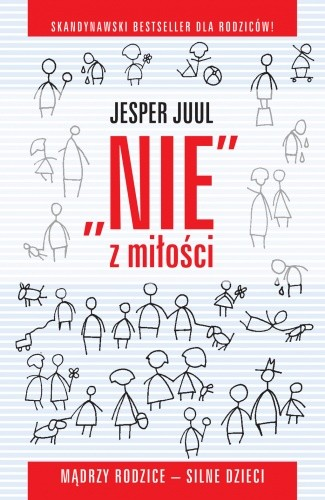
NO! The art of saying NO! with a clear conscience by Jesper Juul – A short but impactful book about setting boundaries with children. The key takeaway for me was the idea of the “personal no”: explaining why you don’t want a child to do something, rather than issuing an abstract rule. And that’s not limited to parenting, but works well in adult relationships.
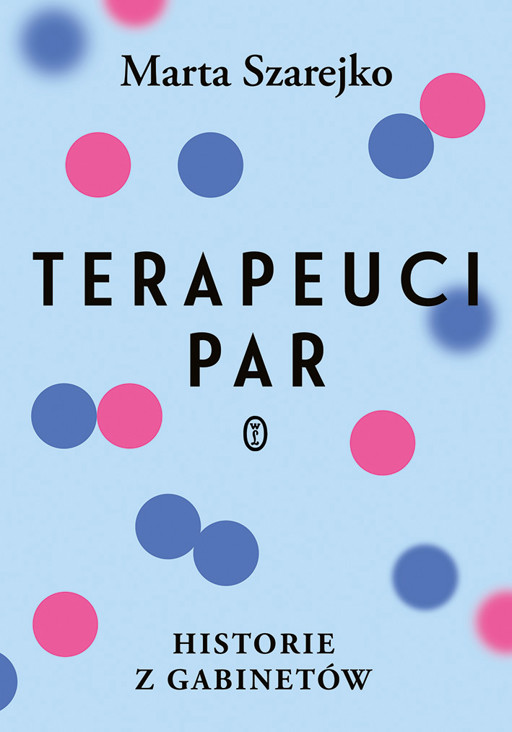
Terapeuci par – historie z gabinetów by Marta Szarejko (not available in English. My title translation: Couple therapists – stories from therapists’ offices) – My wife and I often read this together in the evenings, one chapter at a time. Each chapter explores a different theme—love, intimacy, parenting, sex, conflict, personal history, apologies. The most valuable part wasn’t just the reading, but the conversations that followed.
Fiction

Norwegian Wood by Haruki Murakami – A light and sometimes humorous read that nonetheless tackles heavy themes like depression, suicide, and feeling lost. Set in 1960s Japan, it features deeply memorable and unique characters.
The book also gifted me a few quotes about reading that stayed with me:
- “He was a far more voracious reader than me, but he made it a rule never to touch a book by any author who had not been dead at least thirty years. ‘That’s the only kind of book I can trust,’ he said.“
- “It’s not that I don’t believe in contemporary literature,” he added, “but I don’t want to waste valuable time reading any book that has not had the baptism of time. Life is too short.”
- “If you only read the books that everyone else is reading, you can only think what everyone else is thinking.”
Full list
And this is the full list again without split into categories:
- The Manager’s Path by Camille Fournier
- Nexus: A Brief History of Information Networks from the Stone Age to AI by Yuval Noah Harrari
- Terapeuci par – historie z gabinetów (Couple therapists – stories from therapists’ offices) by Marta Szarejko
- AI engineering by Chip Huyen
- Norwegian Wood by Haruki Murakami
- Destructive Emotions: A Scientific Dialogue with the Dalai Lama by Daniel Goleman
- NO! The art of saying NO! with a clear conscience by Jesper Juul
- The Software Engineers Guidebook by Gergely Orosz
- Stryjeńska. Diabli nadali by Angelika Kuźniak.
- Czasem czuły czasem barbarzyńca (Sometimes tender, sometimes barbarian) by T. Kwaśniewski i J. Masłowski
- High output management by Andy C. Grove
- Chłopki. Opowieść o naszych babkach (Peasant Women: A Story About Our Grandmothers) by J. Kuciel-Frydryszak
You can find me on goodreads 🙂